
Next-Generation Consumer Tech: The Future Is Arriving Faster Than Ever
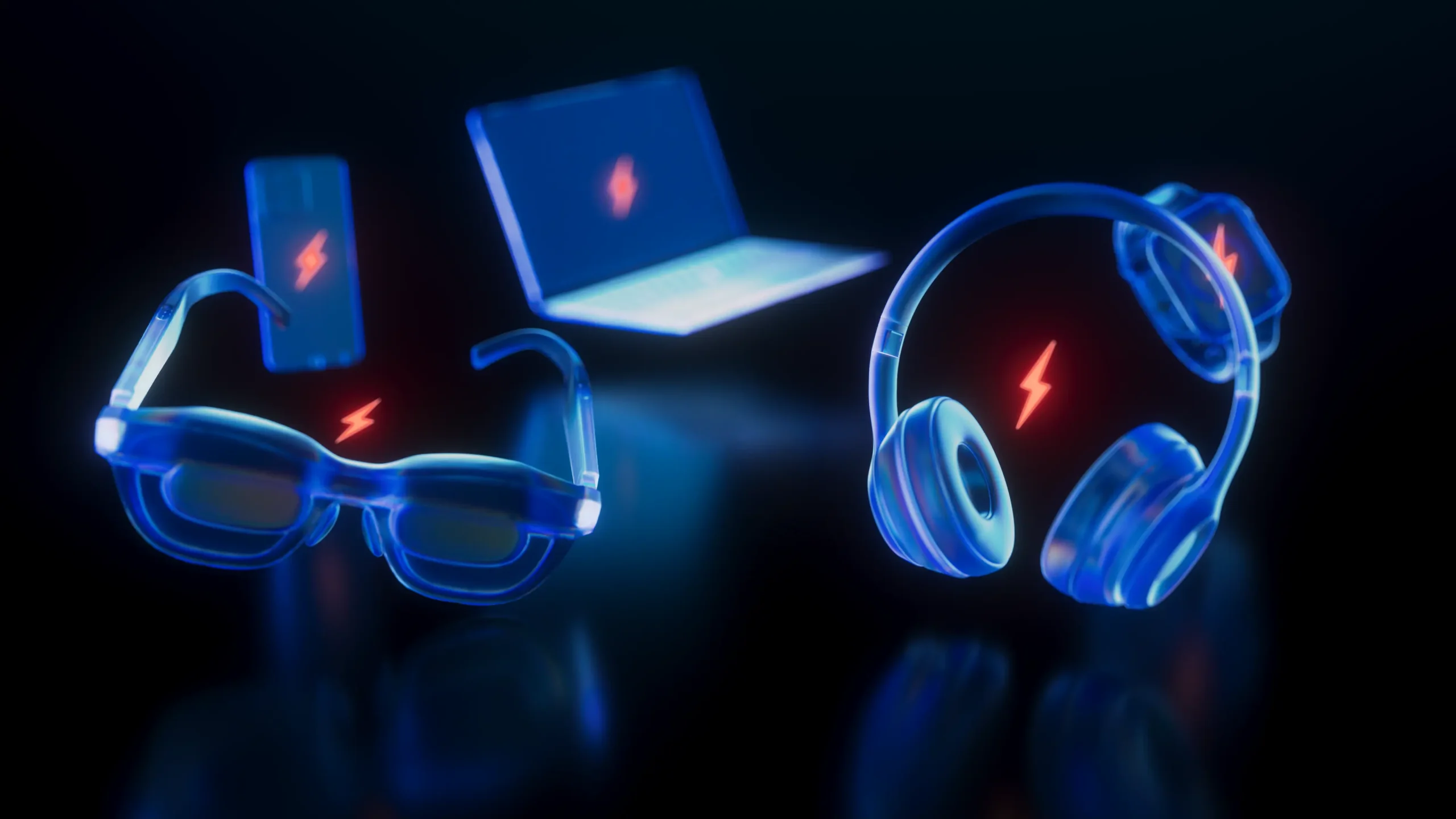
The consumer technology industry is entering a new era of innovation. Artificial intelligence, smart devices, wearable technology, robotics, and mixed reality experiences are rapidly changing how people work, communicate, shop, exercise, and entertain themselves.
Over the past decade, smartphones transformed everyday life. Now, the next wave of consumer technology aims to make devices more intelligent, personalized, and interconnected than ever before.
From AI-powered assistants that understand natural conversations to smart glasses that blend digital content with the real world, next-generation consumer tech is redefining what technology can do for consumers.
In this article, we’ll explore the most exciting innovations shaping the future of consumer technology and how these advancements will impact everyday life.
- What Is Next-Generation Consumer Tech?
- Artificial Intelligence Becomes Personal
- The Rise of Smart Homes 2.0
- Wearable Technology Gets Smarter
- Mixed Reality and Smart Glasses
- Consumer Robotics Enter the Mainstream
- The Future of Smartphones
- AI-Powered Consumer Electronics
- Sustainable Technology Becomes a Priority
- The Future of Digital Health
- Connectivity Beyond 5G
- Challenges Facing Next-Generation Consumer Tech
- Industries That Will Benefit Most
- What Consumers Can Expect by 2030
- Final Thoughts
What Is Next-Generation Consumer Tech?
Next-generation consumer technology refers to emerging products and innovations designed to enhance daily experiences through advanced computing, artificial intelligence, connectivity, and automation.
These technologies focus on:
- Greater convenience
- Improved productivity
- Personalized experiences
- Enhanced entertainment
- Better health monitoring
- Smarter decision-making
- Seamless connectivity
The goal is simple: make technology more intuitive, useful, and integrated into everyday life.
Artificial Intelligence Becomes Personal
Artificial intelligence is no longer limited to chatbots and business software.
Modern consumer devices now use AI to understand user behavior, predict needs, and automate routine tasks.
AI-Powered Personal Assistants
Future digital assistants will be capable of:
- Understanding context
- Managing schedules
- Summarizing emails
- Creating content
- Planning trips
- Managing smart homes
Unlike traditional voice assistants, next-generation AI systems will provide highly personalized recommendations based on user habits and preferences.
On-Device AI Processing
Many manufacturers are shifting toward on-device AI.
Benefits include:
- Faster performance
- Better privacy
- Reduced internet dependence
- Improved security
This approach allows devices to process sensitive information locally rather than sending data to cloud servers.
The Rise of Smart Homes 2.0
Smart homes are evolving beyond simple voice-controlled lights and thermostats.
Future smart homes will use AI to automatically adjust settings based on user behavior.
Key Smart Home Innovations
Intelligent Energy Management
Smart systems will:
- Reduce electricity consumption
- Optimize appliance usage
- Monitor energy efficiency
- Lower utility bills
AI Security Systems
Future home security will include:
- Facial recognition
- Real-time threat detection
- Smart surveillance cameras
- Automated emergency alerts
Connected Home Ecosystems
Devices will work together seamlessly, including:
- Smart TVs
- Refrigerators
- Security systems
- Lighting
- Air conditioning
- Kitchen appliances
The entire home will function as a single intelligent ecosystem.
Wearable Technology Gets Smarter
Wearables are becoming more sophisticated and health-focused.
Modern smartwatches already monitor heart rate and sleep quality, but future devices will provide significantly deeper health insights.
Future Wearable Features
Advanced Health Tracking
Wearables may soon monitor:
- Blood pressure
- Glucose levels
- Hydration
- Stress levels
- Respiratory health
AI Health Coaching
Future devices could provide:
- Personalized workout plans
- Nutrition recommendations
- Sleep optimization suggestions
- Recovery tracking
Smart Rings and Lightweight Wearables
Consumers increasingly prefer smaller wearable devices that deliver advanced functionality without bulky designs.
Smart rings and ultra-lightweight sensors are expected to grow rapidly.
Mixed Reality and Smart Glasses
Mixed reality combines digital content with the physical world.
Industry leaders are investing heavily in smart glasses and immersive experiences.
Benefits of Mixed Reality
Users can:
- Work in virtual environments
- Attend virtual meetings
- Access navigation overlays
- Learn through interactive content
- Enjoy immersive gaming
Smart glasses may eventually replace smartphones for many everyday tasks.
Consumer Robotics Enter the Mainstream
Robots are moving from industrial environments into homes.
Next-Generation Home Robots
Future robots may assist with:
- Cleaning
- Security monitoring
- Elderly care
- Child supervision
- Grocery management
AI-powered robotics could significantly reduce household workload.
The Future of Smartphones
Despite emerging technologies, smartphones remain central to consumer tech.
However, future smartphones will become more intelligent and adaptive.
Expected Smartphone Innovations
AI-First Experiences
Future smartphones will:
- Predict user needs
- Automate tasks
- Improve photography
- Enhance productivity
Satellite Connectivity
Satellite communication may provide:
- Emergency messaging
- Connectivity in remote areas
- Enhanced travel safety
Better Battery Technology
New battery innovations could offer:
- Multi-day battery life
- Faster charging
- Improved longevity
AI-Powered Consumer Electronics
Consumer electronics are becoming increasingly intelligent.
Smart TVs
Future televisions will feature:
- AI content recommendations
- Real-time language translation
- Personalized viewing experiences
AI Laptops
Next-generation laptops may include:
- AI productivity assistants
- Automated workflows
- Enhanced cybersecurity
- Intelligent battery management
Sustainable Technology Becomes a Priority
Consumers are becoming more environmentally conscious.
Technology companies are responding by focusing on sustainability.
Eco-Friendly Innovations
Manufacturers are investing in:
- Recycled materials
- Energy-efficient components
- Sustainable packaging
- Repair-friendly designs
Sustainability is expected to become a major purchasing factor in the coming years.
The Future of Digital Health
Healthcare technology is one of the fastest-growing areas of consumer innovation.
Emerging Digital Health Technologies
Future devices may offer:
- Continuous health monitoring
- Early disease detection
- Remote consultations
- AI-powered diagnostics
These advancements could help consumers manage their health more proactively.
Connectivity Beyond 5G
While 5G continues expanding globally, researchers are already exploring future connectivity technologies.
Benefits of Future Networks
Next-generation wireless technologies could provide:
- Faster download speeds
- Lower latency
- Better reliability
- Improved IoT connectivity
This infrastructure will support billions of connected devices worldwide.
Challenges Facing Next-Generation Consumer Tech
Despite rapid innovation, several challenges remain.
Privacy Concerns
Consumers want:
- Strong data protection
- Transparent AI systems
- Better privacy controls
Security Risks
As devices become more connected, cybersecurity becomes increasingly important.
Manufacturers must invest heavily in protecting user data.
Affordability
Advanced technologies often launch with premium pricing.
Mass adoption depends on making these innovations affordable for everyday consumers.
Industries That Will Benefit Most
Several industries are expected to benefit significantly from next-generation consumer technology.
Healthcare
AI diagnostics, wearables, and remote monitoring.
Education
Interactive learning and mixed reality experiences.
Retail
Personalized shopping and AI recommendations.
Entertainment
Immersive gaming, streaming, and virtual experiences.
Transportation
Connected vehicles and intelligent navigation systems.
What Consumers Can Expect by 2030
By the end of the decade, consumers may experience:
- AI integrated into nearly every device
- Advanced mixed reality glasses
- Autonomous household robots
- Hyper-personalized technology experiences
- Smarter healthcare monitoring
- Fully connected homes and vehicles
Technology will become less visible while becoming more capable.
The focus will shift from managing devices to interacting naturally with intelligent systems.
Final Thoughts
Next-generation consumer tech represents one of the most exciting periods in technology history. Artificial intelligence, smart homes, wearable devices, mixed reality, robotics, and advanced connectivity are transforming how people live and interact with technology.
As these innovations mature, consumers can expect more personalized, efficient, and immersive experiences across every aspect of daily life.
While challenges related to privacy, security, and affordability remain, the future of consumer technology looks incredibly promising. The coming years will likely bring breakthroughs that make today’s gadgets seem primitive by comparison.
For consumers, businesses, and technology enthusiasts alike, the next generation of consumer tech is a glimpse into a smarter, more connected future.
FAQ
What is next-generation consumer technology?
Next-generation consumer technology refers to advanced products and innovations such as AI devices, smart homes, wearables, robotics, and mixed reality systems designed to improve daily life.
How is AI changing consumer technology?
AI enables devices to become more intelligent, personalized, and capable of automating tasks while improving productivity and user experiences.
What are the biggest consumer tech trends in 2026?
Key trends include AI-powered gadgets, smart homes, wearable health devices, mixed reality, robotics, and sustainable technology.
Will smart glasses replace smartphones?
While smartphones will remain important, smart glasses may eventually handle many everyday tasks through augmented and mixed reality experiences.
Why is wearable technology becoming popular?
Wearables offer convenient health monitoring, fitness tracking, personalized insights, and real-time data that help users make better lifestyle decisions.




Be First to Comment