
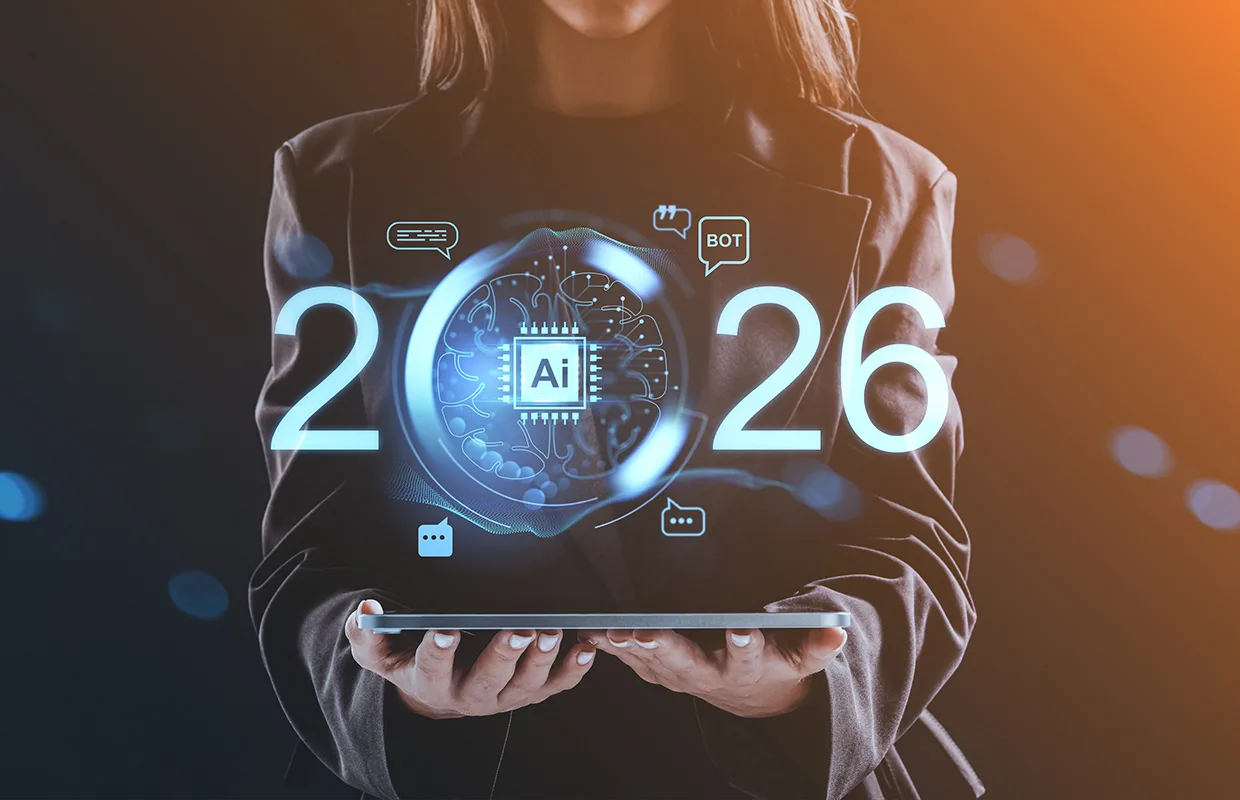
Next-Generation Consumer Tech You Should Watch in 2026
The world of consumer technology is evolving faster than ever. Artificial intelligence is becoming part of everyday devices, smart homes are getting more intuitive, wearables are tracking more aspects of our health, and next-generation computing is changing how we work, learn, and stay connected.
In 2026, technology is no longer just about faster processors or bigger screens. Instead, the biggest innovations focus on creating devices that are smarter, more personalized, and seamlessly connected. AI-powered features, improved battery technology, enhanced privacy, and sustainable designs are defining the next generation of consumer tech.
Whether you’re a tech enthusiast, gadget lover, or someone planning your next upgrade, this guide explores the biggest consumer technology trends you should watch in 2026.
Why 2026 Is a Big Year for Consumer Technology
Technology companies are moving beyond simply improving hardware. Their focus is now on creating intelligent ecosystems where devices work together to make everyday life easier.
Key Technology Trends Driving Innovation
- Artificial Intelligence (AI)
- On-device AI processing
- Smarter wearable technology
- Advanced smart home automation
- Sustainable product design
- Faster wireless connectivity
- Health-focused innovations
- Extended battery life
Consumers now expect devices that are fast, secure, and intelligent.
AI Is Becoming the Heart of Consumer Technology
Artificial intelligence is no longer limited to chatbots and virtual assistants.
Today’s devices can understand user behavior, automate daily tasks, improve photography, translate languages in real time, and personalize experiences.
AI Features Becoming Standard
Intelligent Voice Assistants
Voice assistants are becoming more conversational and context-aware.
They can:
- Schedule meetings
- Summarize notifications
- Manage smart homes
- Answer complex questions
- Help with daily planning
AI-Powered Cameras
Smartphones now use AI to improve:
- Night photography
- Portrait mode
- Video stabilization
- Zoom quality
- Scene recognition
Photography continues to improve through software rather than hardware alone.
Personalized Recommendations
Streaming services, shopping platforms, fitness apps, and productivity tools increasingly adapt to your preferences using AI.
AI Smartphones Are Entering a New Era
The smartphone is evolving into a personal AI assistant.
Instead of simply opening apps, future phones will understand context and complete tasks across multiple applications.
Expected AI Smartphone Features
Real-Time Language Translation
Conversations become easier across different languages.
AI Writing Assistance
Phones can help draft emails, summarize messages, and improve writing.
Intelligent Search
Instead of searching manually, users can ask natural questions.
Personal Scheduling
AI helps organize calendars, reminders, travel plans, and daily routines.
Better Battery Optimization
AI learns usage patterns to improve battery life.
Smart Glasses Are Becoming More Practical
Smart glasses are moving beyond early experiments.
Instead of replacing smartphones, they’re designed to complement them.
Expected Features
- Navigation overlays
- Live translation
- Hands-free photography
- Voice commands
- Notifications
- AI assistants
As displays become smaller and batteries improve, smart glasses may become more common for everyday use.
Wearable Technology Is Expanding Beyond Fitness
Wearables now do much more than count steps.
Modern devices help users monitor health, improve productivity, and stay connected.
Popular Wearables in 2026
Smartwatches
Expected improvements include:
- Better battery life
- Advanced health tracking
- Smarter AI coaching
- Improved workout analysis
Smart Rings
These compact devices can monitor:
- Sleep
- Heart rate
- Activity
- Recovery
Their lightweight design appeals to users who prefer a less noticeable device.
AI Fitness Devices
Fitness technology is becoming more personalized by analyzing workout history and suggesting training plans.
Smart Homes Continue to Get Smarter
Connected homes are becoming easier to manage.
Instead of controlling each device individually, AI helps coordinate multiple devices automatically.
Smart Home Improvements
Intelligent Lighting
Lights automatically adjust based on:
- Time of day
- Occupancy
- Weather
- User preferences
Smart Security
Modern systems include:
- AI-powered cameras
- Motion detection
- Facial recognition (where supported)
- Smart alerts
Connected Appliances
Smart refrigerators, washing machines, and ovens can offer maintenance reminders, energy insights, and remote control features.
Foldable and Flexible Devices Continue to Improve
Foldable smartphones and tablets are becoming thinner, lighter, and more durable.
Improvements Expected
- Stronger displays
- Better hinges
- Longer battery life
- Reduced screen creases
- Improved software optimization
Flexible displays may eventually appear in additional device categories.
Laptops Become More AI-Powered
Modern laptops increasingly include processors designed specifically for AI tasks.
New Capabilities
Faster AI Processing
Tasks like image editing, transcription, and translation can run more efficiently.
Better Video Calls
AI helps improve:
- Background blur
- Noise reduction
- Eye contact correction
- Lighting
Improved Productivity
AI assistants can summarize documents, organize notes, and automate repetitive work.
Health Technology Continues to Advance
Consumer health technology is becoming more sophisticated.
Wellness Features
- Sleep tracking
- Activity monitoring
- Heart rate tracking
- Stress monitoring
- Guided breathing exercises
Some devices are also expanding support for women’s health tracking and recovery insights.
These features can help users better understand their overall wellness, though they are not substitutes for medical advice or diagnosis.
Smarter Audio Devices
Wireless earbuds and headphones continue to evolve.
New Features
Adaptive Noise Cancellation
Automatically adjusts based on your surroundings.
Real-Time Translation
Supports conversations across languages.
AI Audio Enhancement
Improves call quality and voice clarity.
Sustainable Technology Is Becoming More Important
Consumers increasingly value environmentally conscious products.
Sustainability Trends
- Recycled materials
- Repair-friendly designs
- Energy-efficient components
- Reduced packaging
- Longer software support
Companies are investing more in extending product lifespans and reducing electronic waste.
Faster Connectivity Improves Everyday Life
Wireless technology continues to advance.
Benefits
- Faster downloads
- Lower latency
- Better streaming
- Improved gaming
- Enhanced video conferencing
- More reliable smart home devices
Improved connectivity supports the growing number of connected devices in modern homes.
AI-Powered Home Robots
Home robotics continues to evolve.
Potential Uses
- Floor cleaning
- Lawn maintenance
- Home monitoring
- Delivery assistance
- Basic household support
While general-purpose home robots are still developing, specialized robots are becoming increasingly capable.
Extended Reality (XR) Is Growing
Virtual Reality (VR), Augmented Reality (AR), and Mixed Reality (MR) are becoming more practical for everyday use.
Applications
Education
Interactive learning experiences.
Gaming
More immersive entertainment.
Remote Work
Virtual collaboration spaces.
Shopping
Preview furniture, clothing, and products before purchasing.
Privacy Features Are Becoming Smarter
Consumers are paying closer attention to data privacy.
Privacy Improvements
- On-device AI processing
- Better app permission controls
- Improved biometric security
- Stronger encryption
- More transparent privacy settings
Keeping more AI processing on the device can reduce the need to send certain data to the cloud.
How These Technologies Will Change Everyday Life
Next-generation consumer technology aims to simplify daily routines rather than adding complexity.
Morning
- AI assistant summarizes your schedule.
- Smart lighting adjusts automatically.
- Wearable provides sleep insights.
During Work
- AI organizes emails.
- Laptop summarizes meetings.
- Smart earbuds reduce background noise during calls.
Evening
- Smart home adjusts lighting and temperature.
- Fitness tracker recommends recovery activities.
- AI suggests entertainment based on your preferences.
The goal is a more seamless and personalized experience across devices.
Things to Consider Before Buying New Tech
Not every new feature is essential.
Ask Yourself
Does It Solve a Real Problem?
Avoid buying technology just because it’s new.
Will It Receive Long-Term Software Updates?
Software support helps extend the useful life of a device.
Does It Work with Your Existing Devices?
Compatibility matters if you already use a particular ecosystem.
Is Your Privacy Protected?
Review privacy settings and understand how your data is handled.
Can It Be Repaired?
Repairability can reduce long-term costs and electronic waste.
Challenges Facing Next-Generation Consumer Tech
Despite exciting innovations, there are still challenges.
Higher Prices
Advanced hardware often comes with premium pricing.
Privacy Concerns
More connected devices require thoughtful data protection.
Battery Life
Power demands continue to grow as devices become more capable.
Software Compatibility
New AI features may not be available on older hardware.
Final Thoughts
Consumer technology in 2026 is becoming smarter, more connected, and more personalized than ever before. Artificial intelligence is transforming smartphones, laptops, wearables, and smart homes, while improvements in health tracking, sustainability, and privacy are shaping the future of everyday devices.
The most exciting innovations aren’t just about faster processors or brighter displays—they’re about creating technology that genuinely helps people save time, stay healthier, communicate more effectively, and simplify daily life.
As these technologies continue to mature, consumers should focus on products that offer real value, strong software support, and features that fit their lifestyle rather than chasing every new trend.
Frequently Asked Questions
What is next-generation consumer technology?
Next-generation consumer technology refers to the latest innovations in everyday devices, including AI-powered smartphones, smart wearables, connected home products, advanced laptops, and immersive technologies like AR and VR.
Why is AI important in consumer devices?
AI helps devices perform tasks more intelligently, such as improving photos, organizing schedules, enhancing productivity, optimizing battery life, and providing personalized recommendations.
Are smart homes becoming more common?
Yes. Smart lighting, security systems, thermostats, and connected appliances are becoming easier to install and manage, making smart home technology more accessible.
Is wearable technology only for fitness?
No. Modern wearables can support sleep tracking, stress monitoring, health insights, notifications, productivity, and communication in addition to fitness features.
Should I upgrade to the latest technology every year?
Not necessarily. Upgrading makes the most sense when a new device offers meaningful improvements that match your needs, such as better performance, longer software support, enhanced security, or features you’ll actually use.




Be First to Comment