
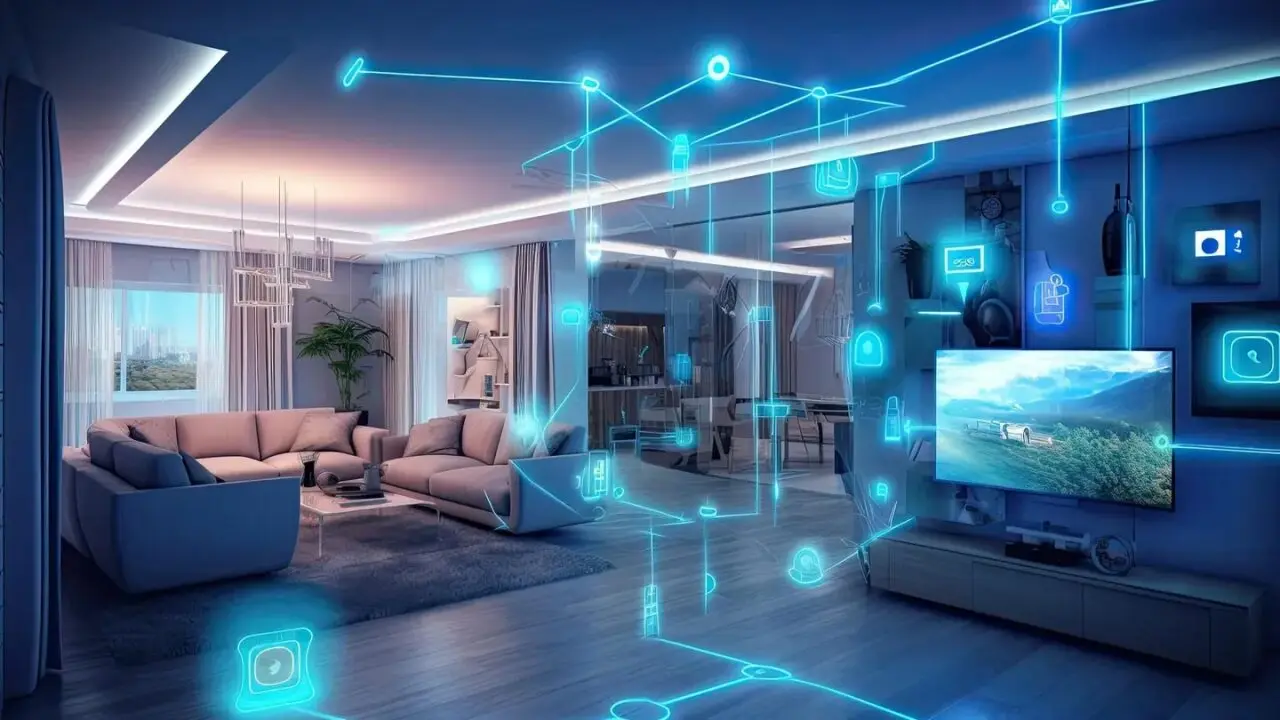
Next-Generation Consumer Tech You Should Watch
Consumer technology is evolving at an incredible pace. Just a few years ago, features like AI-powered assistants, foldable smartphones, smart glasses, and wearable health trackers seemed futuristic. Today, many of these innovations are becoming part of everyday life, and the next wave of consumer technology promises to be even more exciting.
Modern gadgets are no longer focused only on faster processors or larger displays. Instead, technology companies are creating smarter, more connected, and more personalized devices that can understand user behavior, automate daily tasks, improve productivity, and simplify life.
From AI-powered smartphones to intelligent homes, wearable health devices, mixed reality headsets, and sustainable electronics, the next generation of consumer technology is transforming how we work, communicate, learn, shop, and entertain ourselves.
In this guide, we’ll explore the biggest consumer technology trends that are shaping the future and explain why they’re worth watching.
Why Consumer Technology Is Changing So Quickly
Several innovations are driving the rapid evolution of everyday devices.
Key Technologies Behind the Revolution
- Artificial Intelligence (AI)
- Machine Learning
- Faster Wireless Networks
- Cloud Computing
- Edge Computing
- Advanced Sensors
- Better Battery Technology
- Sustainable Manufacturing
Together, these technologies are making devices more intelligent, efficient, and connected than ever before.
AI Is Becoming the Brain of Consumer Devices
Artificial intelligence is now built into many of the products people use every day.
Instead of simply responding to commands, modern devices are learning user preferences and providing personalized experiences.
AI Features Becoming Common
Smart Recommendations
Devices learn your habits and suggest:
- Music
- Movies
- Apps
- Shopping ideas
- Fitness plans
AI Photography
Modern smartphones automatically improve:
- Portrait photos
- Night photography
- Zoom quality
- Video stabilization
- Image editing
Productivity Assistance
AI now helps users:
- Write emails
- Summarize documents
- Organize schedules
- Translate languages
- Generate ideas
AI is becoming an everyday digital assistant rather than just a search tool.
AI Smartphones Are Redefining Mobile Technology
Smartphones are becoming much more than communication devices.
They now function as intelligent personal assistants.
Expected Features
Live Language Translation
Communicate naturally with people who speak different languages.
Smart Search
Ask natural questions instead of typing keywords.
AI Writing Assistant
Create messages, emails, reports, and notes more efficiently.
Intelligent Scheduling
Manage appointments, reminders, travel plans, and tasks automatically.
Better Battery Optimization
AI studies usage habits to improve battery performance.
Future smartphones will become increasingly proactive rather than reactive.
Smart Glasses Are Moving Into Everyday Life
Smart glasses are becoming lighter, smarter, and more practical.
Instead of replacing smartphones, they aim to complement them.
Future Capabilities
- Hands-free navigation
- Live translation
- AI voice assistant
- Real-time notifications
- Camera functions
- Video calling
These devices may eventually become everyday productivity companions.
Wearable Technology Is Expanding Beyond Fitness
Today’s wearable devices monitor much more than daily steps.
Modern wearables help users understand their health, improve productivity, and stay connected.
Popular Wearable Categories
Smartwatches
Modern smartwatches offer:
- Heart rate monitoring
- Sleep tracking
- Activity tracking
- Workout coaching
- Notifications
Smart Rings
Compact wearable devices now provide:
- Sleep analysis
- Recovery tracking
- Activity monitoring
- Heart rate insights
Their small size makes them appealing for all-day wear.
AI Fitness Coaches
Future wearables can analyze workouts and recommend personalized exercise plans based on your activity and recovery.
Smart Homes Are Becoming Truly Intelligent
The connected home is evolving into an intelligent living space.
Instead of controlling each device manually, AI allows smart devices to work together automatically.
Smart Home Innovations
Smart Lighting
Lighting systems adjust based on:
- Time of day
- Occupancy
- Natural sunlight
- Personal preferences
Smart Climate Control
Thermostats learn your schedule to improve comfort while reducing energy use.
Intelligent Security
Modern systems include:
- AI-powered cameras
- Motion detection
- Smart doorbells
- Remote monitoring
- Real-time alerts
Connected Appliances
Kitchen and household appliances can now provide maintenance reminders, monitor energy use, and be controlled remotely.
Foldable and Flexible Devices Continue to Improve
Flexible displays are becoming more durable and practical.
Improvements Expected
- Thinner designs
- Better hinges
- Stronger displays
- Longer battery life
- Improved multitasking software
As technology matures, foldable devices are expected to become more affordable.
AI-Powered Laptops and PCs
Computers are becoming smarter through dedicated AI hardware.
New Capabilities
Faster AI Processing
Tasks such as image editing and document summarization become quicker.
Better Video Calls
AI improves:
- Background blur
- Noise cancellation
- Lighting correction
- Automatic framing
Productivity Enhancements
AI assistants help users organize files, summarize meetings, and automate repetitive work.
Health Technology Is Becoming More Personal
Health-focused consumer technology continues to grow rapidly.
Popular Features
- Sleep tracking
- Heart rate monitoring
- Activity tracking
- Guided breathing sessions
- Stress insights
- Women’s health features
These tools can help people better understand their wellness, although they are not a substitute for medical advice or diagnosis.
Smarter Audio Devices
Wireless earbuds and headphones are becoming more intelligent.
Advanced Features
Adaptive Noise Cancellation
Automatically adjusts to surrounding sounds.
AI Voice Enhancement
Improves voice quality during calls.
Live Translation
Supports conversations across multiple languages.
Personalized Sound Profiles
Audio adjusts automatically based on listening preferences.
Mixed Reality Is Creating New Experiences
Virtual Reality (VR), Augmented Reality (AR), and Mixed Reality (MR) are becoming more practical for everyday use.
Where Mixed Reality Is Growing
Education
Interactive learning experiences.
Gaming
Immersive entertainment.
Shopping
Preview furniture, clothing, and products before buying.
Remote Collaboration
Virtual workspaces improve teamwork across different locations.
Sustainable Consumer Technology
Consumers increasingly care about environmentally responsible products.
Sustainability Trends
- Recycled materials
- Energy-efficient designs
- Repair-friendly products
- Reduced packaging
- Longer software support
Technology companies are investing more in reducing electronic waste and extending product lifespans.
Faster Connectivity Powers Everything
As wireless technology improves, connected devices become even more capable.
Benefits
- Faster downloads
- Better streaming
- Improved online gaming
- More reliable video calls
- Smoother smart home experiences
Reliable connectivity is becoming essential for modern lifestyles.
Home Robots Are Becoming More Useful
Household robots are moving beyond simple vacuum cleaners.
Emerging Applications
- Floor cleaning
- Lawn maintenance
- Home security
- Delivery assistance
- Basic household support
Future robots will continue handling repetitive everyday tasks.
AI Personal Assistants Are Becoming More Intelligent
Digital assistants are evolving into proactive companions.
Future AI Assistants May Help You
- Organize your calendar
- Book travel
- Manage shopping lists
- Summarize meetings
- Recommend healthy habits
- Control smart home devices
Instead of waiting for commands, future assistants may anticipate your needs.
Privacy and Security Continue to Improve
As consumer devices become smarter, protecting personal information becomes even more important.
Modern Security Features
- Biometric authentication
- Facial recognition
- Fingerprint sensors
- On-device AI processing
- Stronger encryption
- Better privacy controls
Consumers increasingly expect transparency and greater control over their personal data.
How These Technologies Will Impact Everyday Life
The goal of next-generation consumer technology isn’t simply adding more features—it’s making everyday life easier.
Morning
- Smart lights gradually brighten.
- Your wearable summarizes sleep quality.
- Your AI assistant reviews your schedule.
During Work
- AI organizes emails.
- Smart earbuds reduce background noise.
- Your laptop summarizes meetings automatically.
Evening
- Smart home systems adjust lighting and temperature.
- Wearables recommend recovery activities.
- AI suggests entertainment based on your interests.
Technology is becoming more personalized and less intrusive.
Tips Before Buying New Technology
Consider Your Needs
Choose devices that solve real problems rather than following every trend.
Check Software Support
Long-term updates improve security and extend a product’s lifespan.
Think About Compatibility
Make sure new devices work well with your existing technology.
Review Privacy Features
Understand how your information is collected and stored.
Compare Value
The most expensive device isn’t always the best choice for your lifestyle.
Challenges Facing Future Consumer Technology
Despite rapid innovation, some challenges remain.
Premium Pricing
New technologies often launch at higher prices.
Battery Limitations
Advanced features increase power demands.
Privacy Concerns
Connected devices require strong data protection.
Learning New Features
Some users need time to adapt to increasingly intelligent devices.
Final Thoughts
The next generation of consumer technology is reshaping the way we live, work, and communicate. Artificial intelligence, wearable devices, smart homes, mixed reality, sustainable electronics, and intelligent personal assistants are moving from exciting concepts to practical everyday tools.
The future isn’t just about buying faster gadgets—it’s about choosing technology that genuinely improves your daily life. Whether you’re upgrading your smartphone, investing in wearable health devices, or building a connected home, the most valuable innovations are those that save time, increase convenience, and enhance your overall experience.
As these technologies continue to evolve, staying informed will help you make smarter purchasing decisions and take full advantage of the exciting innovations shaping the future.
Frequently Asked Questions
What is next-generation consumer technology?
Next-generation consumer technology refers to advanced everyday devices that use innovations such as artificial intelligence, smart connectivity, wearable sensors, and intelligent automation to improve daily life.
Why is AI important in consumer electronics?
AI enables devices to provide personalized recommendations, automate tasks, improve photography, optimize battery life, enhance productivity, and deliver smarter user experiences.
Are smart homes worth investing in?
Smart homes can improve convenience, energy efficiency, security, and automation. The value depends on your lifestyle, budget, and the devices you choose.
What wearable technology is becoming popular?
Smartwatches, smart rings, fitness trackers, and AI-powered health monitoring devices are among the fastest-growing wearable technologies.
Should I upgrade my devices every year?
Not necessarily. Upgrading is most worthwhile when new devices offer meaningful improvements that match your needs, such as longer software support, better security, enhanced performance, or features you’ll regularly use.




Be First to Comment